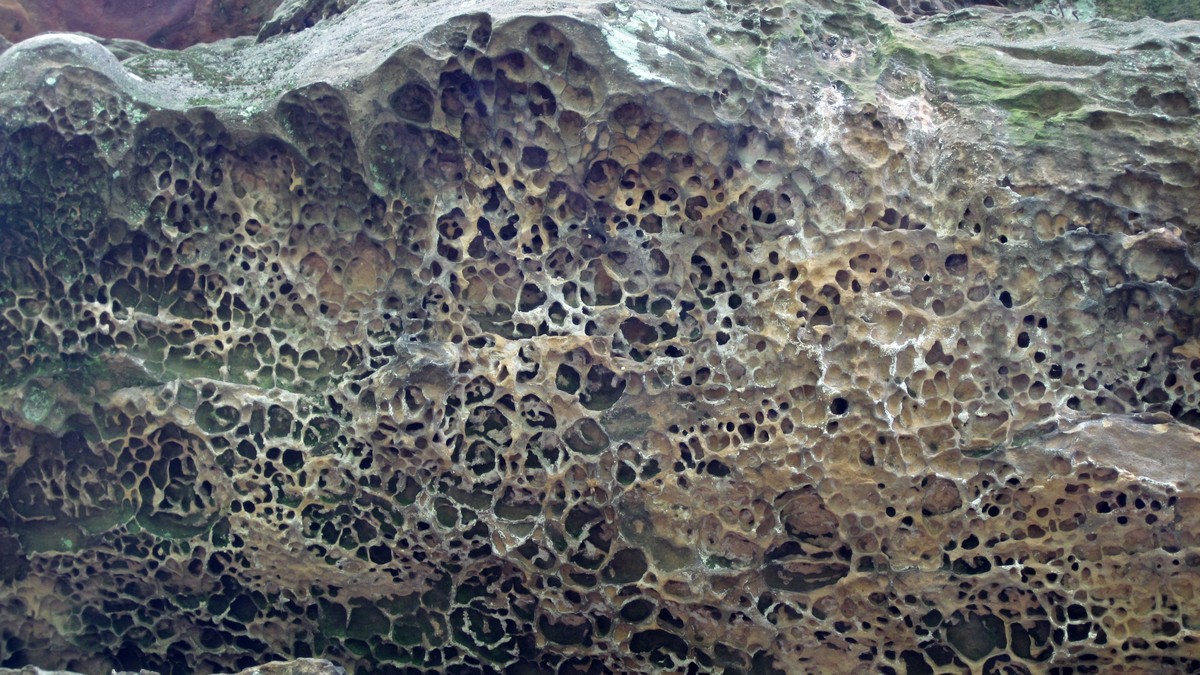
How Natural Stone Arches Form Weathering, Erosion, and Rock Strength
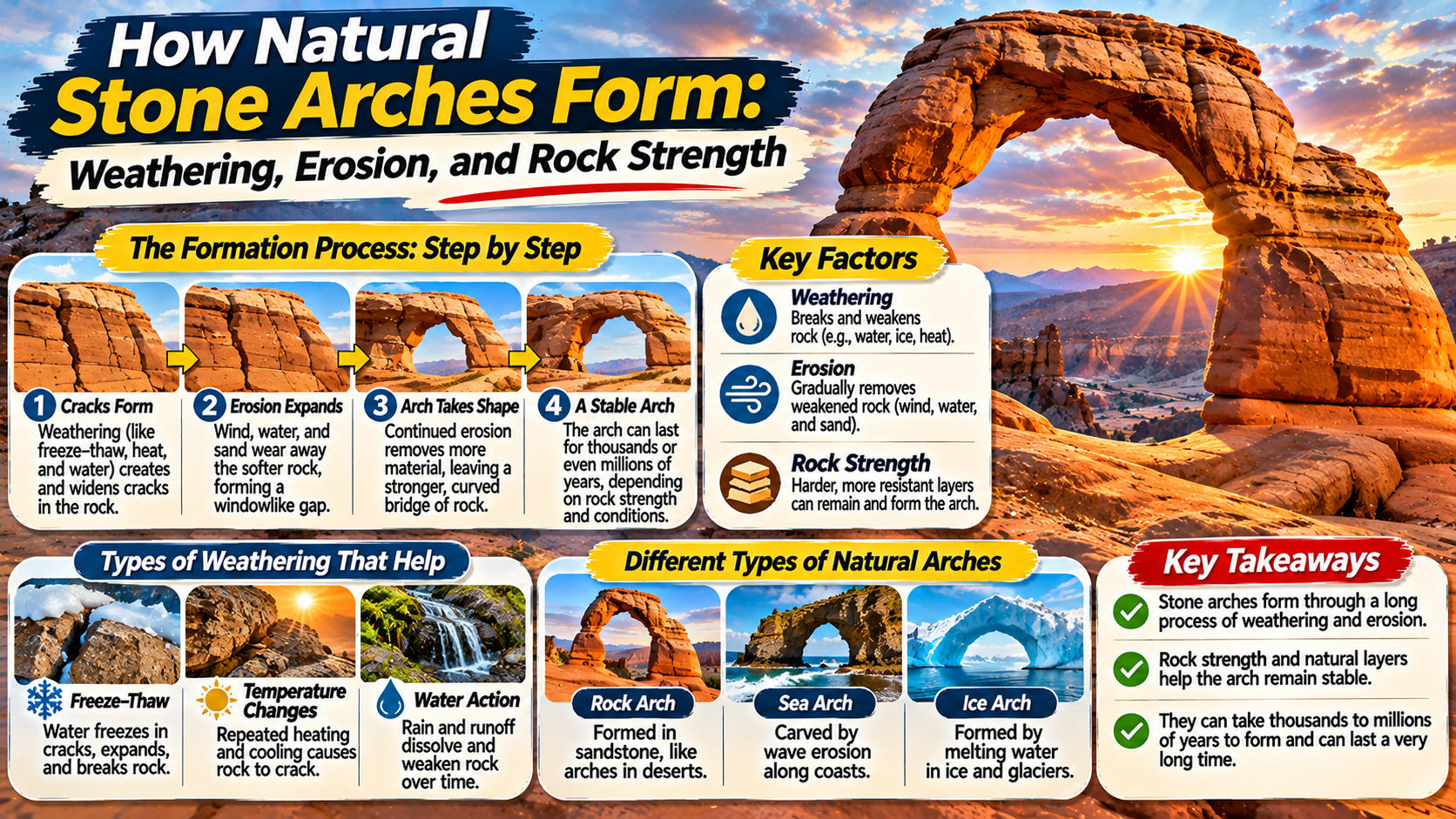
DESERT GEOLOGY FIELD NOTES · LANDFORM SCIENCE How Nature Carves Openings Through Solid Rock Explore the geological processes that transform cliffs and rock walls into remarkable natural arches—and discover why some formations survive while others collapse. WEATHERING EROSION ROCK STRENGTH Natural stone arches are among the most striking landforms found on Earth. These formations appear … Read more
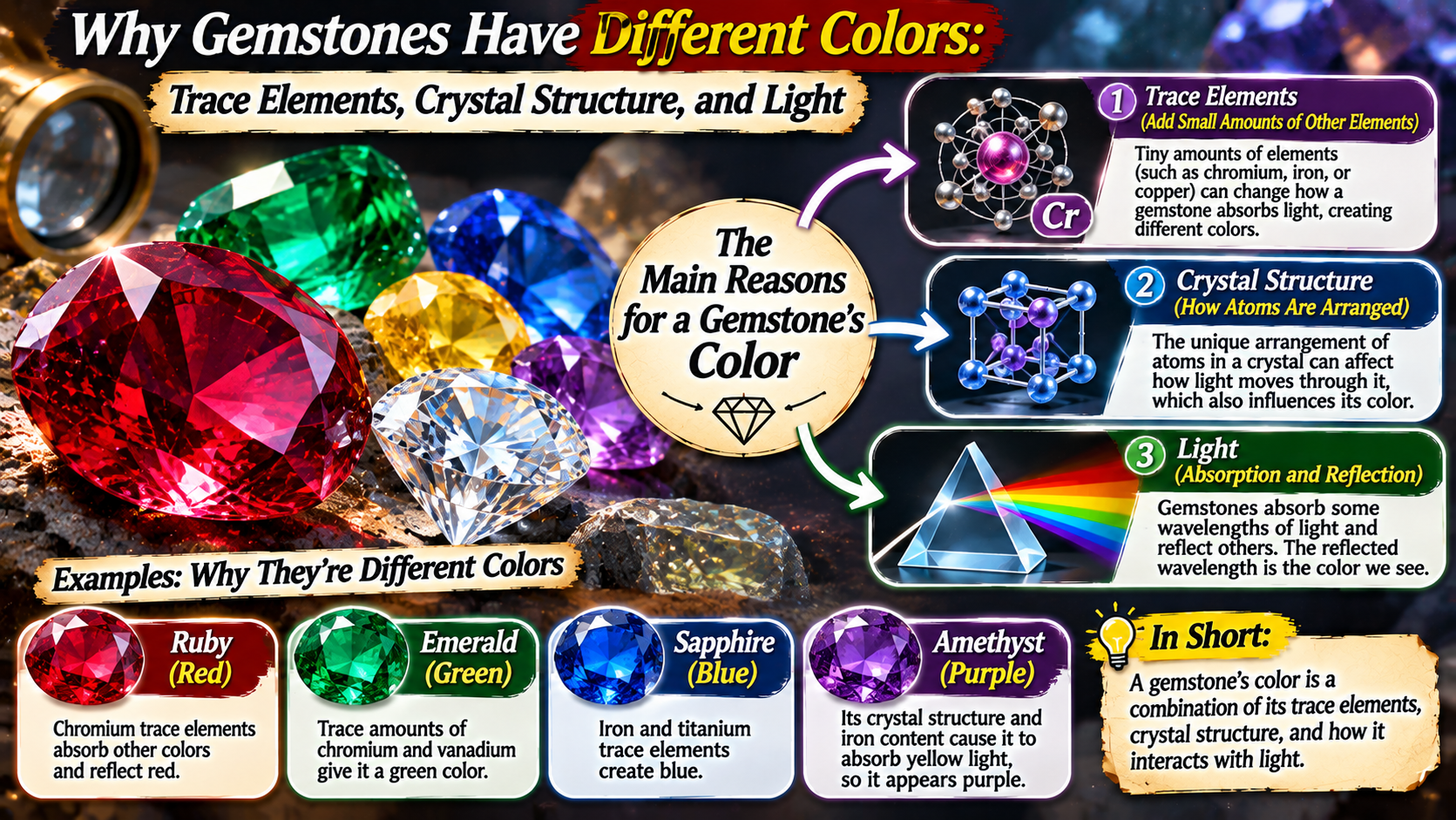
Why Gemstones Have Different Colors Trace Elements, Crystal Structure, and Light

GEMOLOGY JOURNAL · MINERALS & OPTICAL SCIENCE The Hidden Science Behind Gemstone Colors Explore how tiny amounts of chemical elements, crystal structures, and interactions with light create the remarkable colors of natural gemstones. TRACE ELEMENTS CRYSTAL STRUCTURE LIGHT & COLOR Gemstones display an extraordinary range of colors. Rubies are famous for their red appearance, emeralds … Read more

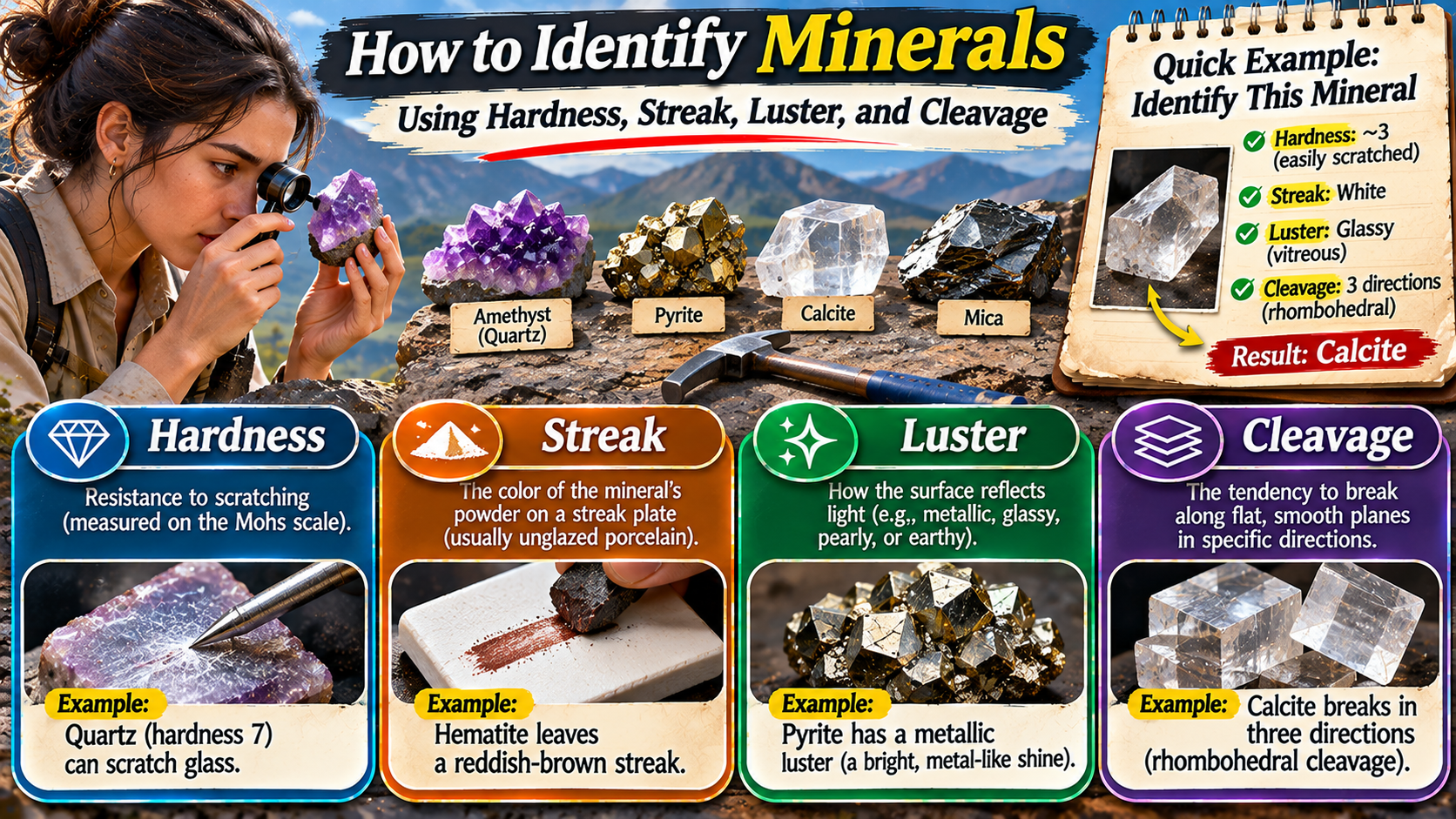
How to Identify Minerals Using Hardness, Streak, Luster, and Cleavage

EARTH SCIENCE FIELD LAB · MINERAL IDENTIFICATION Reading the Hidden Clues Inside Minerals Learn how geologists use four essential physical properties to distinguish minerals and recognize common specimens. HARDNESS STREAK LUSTER CLEAVAGE Imagine finding an unusual mineral specimen during a hike. It has a shiny surface, a pale color, and several flat faces. At first … Read more

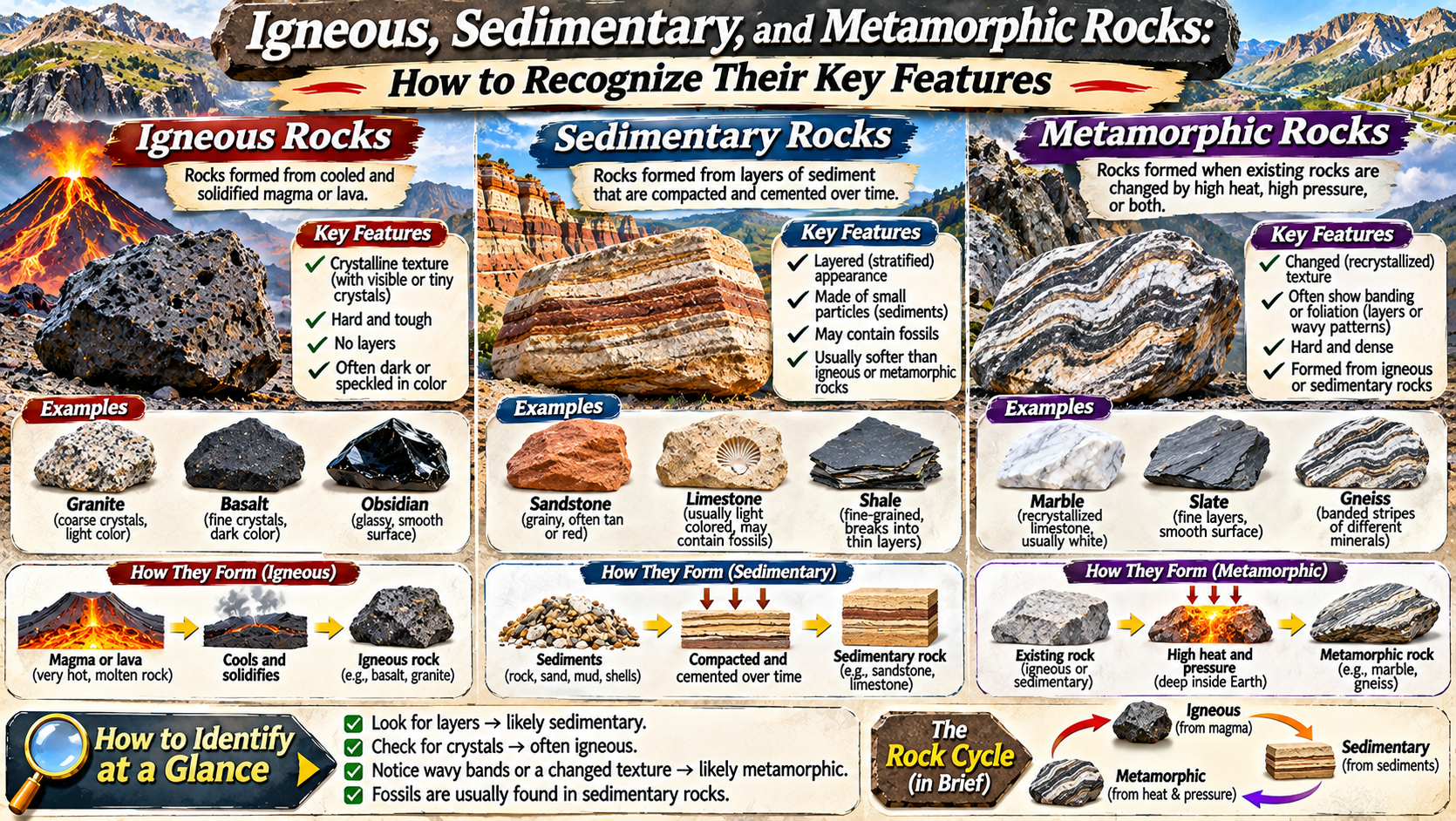
Igneous, Sedimentary, and Metamorphic Rocks How to Recognize Their Key Features

GEOLOGY FIELD GUIDE / ROCKS & EARTH MATERIALS Reading the Stories Hidden Inside Rocks Learn how to distinguish igneous, sedimentary, and metamorphic rocks by examining their texture, minerals, layers, crystals, and formation history. IGNEOUS SEDIMENTARY METAMORPHIC Rocks are everywhere, from mountain peaks and riverbeds to building materials and coastal cliffs. Although many rocks may look … Read more

Chemical and Mechanical Weathering: Hydrolysis, Carbonation, Freeze-Thaw, and Regolith Genesis

Geological illustration of Chemical and Mechanical Weathering: Hydrolysis, Carbonation, Freeze-Thaw, and Regolith Genesis

🌱 Exogenic Petrology: The Deconstruction of Solid Rock into Living Soil Weathering is the foundational interface where the solid geosphere interacts with the hydrosphere, atmosphere, and biosphere. Operating through coupled mechanical disintegration and chemical decomposition, weathering transforms massive, high-temperature crystalline bedrock into loose, weathered regolith and fertile soils. In doing so, weathering controls global river … Read more

Sediment Lithification and Diagenesis: Compaction, Authigenesis, Pressure Solution, and Pore-Fluid Dynamics

Geological illustration of Sediment Lithification and Diagenesis: Compaction, Authigenesis, Pressure Solution, and Pore-Fluid Dynamics

🧱 Sedimentary Geochemistry: From Loose Mud to Consolidated Stone Lithification is the transformative bridge within the rock cycle where loose, uncompacted, water-saturated sediments (muds, sands, gravels, and biogenic oozes) are converted into coherent, solid sedimentary rock. Governed by progressive burial compaction, intricate fluid-rock interactions, and diagenetic mineral precipitation, diagenesis controls the permanent sequestration of fossil … Read more

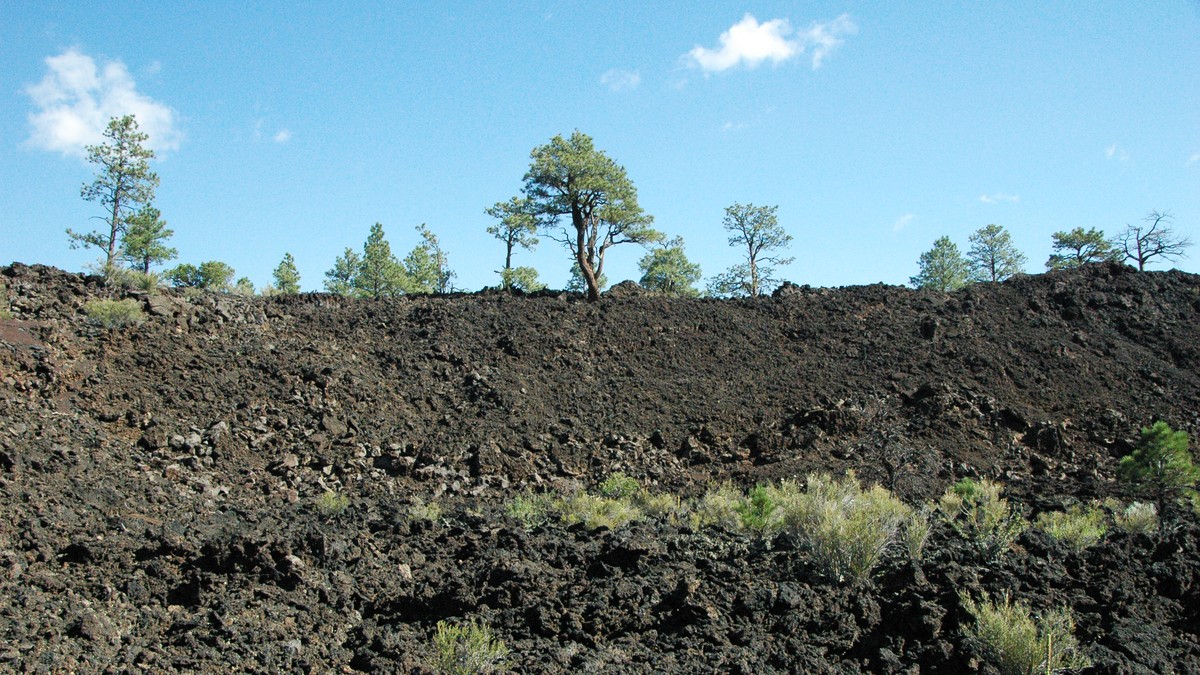
Thermodynamics of the Rock Cycle: Mantle Convection, Radiogenic Heat, and the Wilson Supercontinent Cycle

Geological illustration of Thermodynamics of the Rock Cycle: Mantle Convection, Radiogenic Heat, and the Wilson Supercontinent Cycle

🔥 Earth Systems Landmark: The Thermodynamic Engine of Planetary Recycling The rock cycle is neither a simplistic circular diagram nor a closed equilibrium system; rather, it is a planetary-scale, open dissipative thermodynamic heat engine. Driven by primordial accretionary heat, the radioactive decay of long-lived lithophile isotopes (⁴⁰K, ²³²Th, ²³⁵U, ²³⁸U) in the mantle, and solar … Read more

Subduction Zone Petrology: Slab Dehydration, Volatile Recycling, and Mantle Wedge Serpentinization

Geological illustration of Subduction Zone Petrology: Slab Dehydration, Volatile Recycling, and Mantle Wedge Serpentinization

🌋 Geodynamic Engine: The Subduction Factory and Earth’s Volatile Cycle Subduction zones represent the primary recycling plants of our dynamic planet. As cold, water-saturated oceanic lithosphere plunges into the searing convective mantle, extreme metamorphic transformations trigger the progressive dehydration of hydrous mineral phases. The liberated volatile fluids ascend into the overlying peridotite mantle wedge, inducing … Read more

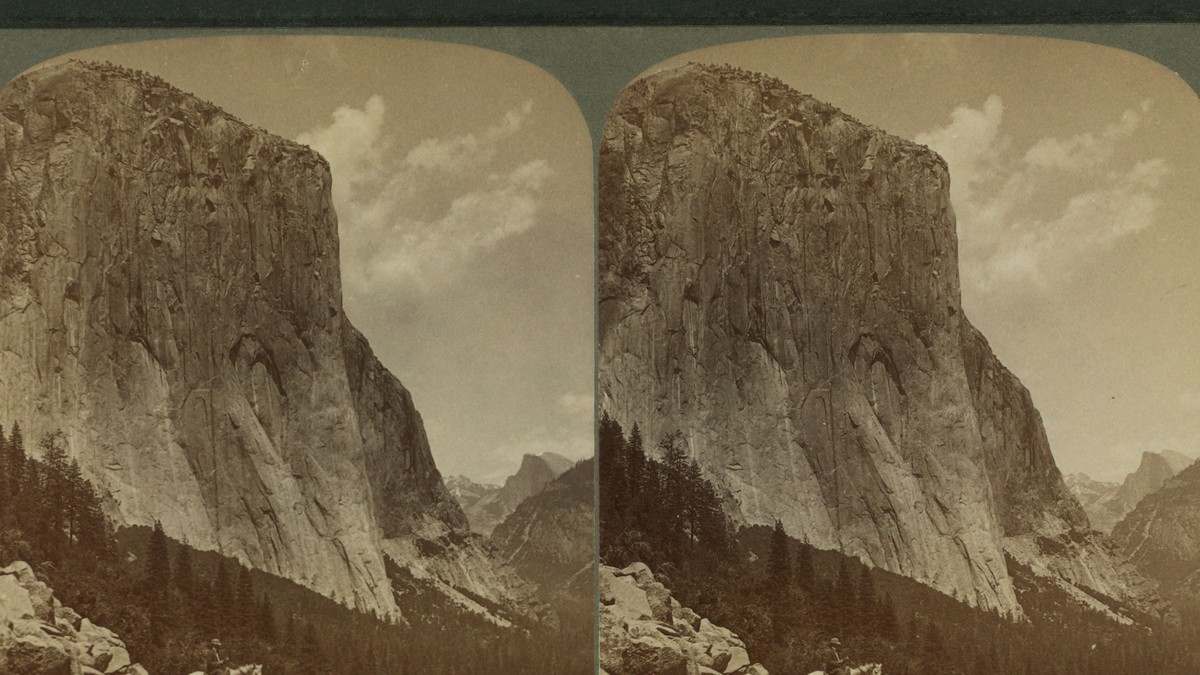
Plutonic Batholiths and Volcanic Complexes: Emplacement, Magma Stoping, and Exhumation of Yosemite Monoliths

Geological illustration of Plutonic Batholiths and Volcanic Complexes: Emplacement, Magma Stoping, and Exhumation of Yosemite Monoliths

🏔️ Geotectonic Cornerstone: Batholiths as Plutonic Engines of Subduction Arcs A batholith is not a singular, gargantuan magma chamber that froze in a single cataclysmic pulse; rather, it represents a composite composite collage of hundreds of individual plutonic pulses, dikes, and sills incrementally accreted over tens of millions of years in the roots of volcanic … Read more

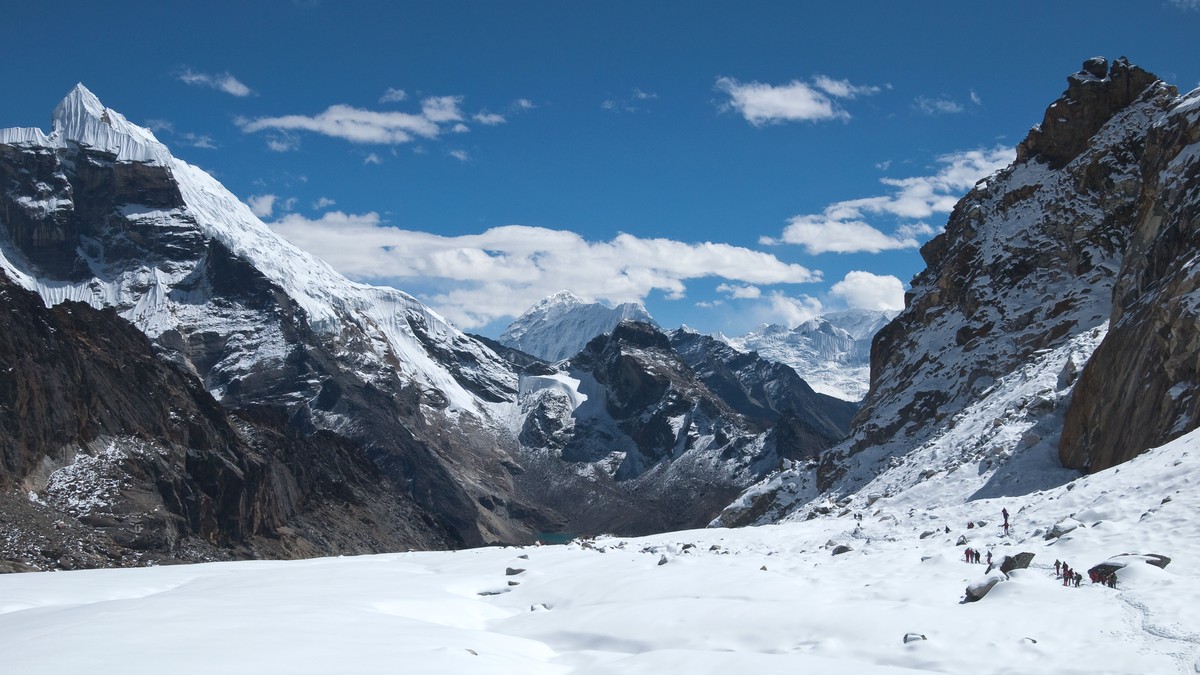
Plate Tectonic Orogenesis: Crustal Shortening, Continental Collision, and Himalayan Wedge Dynamics

Geological illustration of Plate Tectonic Orogenesis: Crustal Shortening, Continental Collision, and Himalayan Wedge Dynamics

🏔️ Tectonic Architecture: The Collision That Reshaped Earth’s Climate and Crust Mountain building (orogenesis) represents the most dramatic physical manifestation of plate tectonics. The collision between the Indian and Eurasian continental plates—initiated approximately 55 to 50 million years ago and actively continuing today—has constructed the highest topographic relief on our planet: the 2,500-kilometer-long Himalayan mountain … Read more